

How Roadside Emergency Kits Improve Driver Preparedness
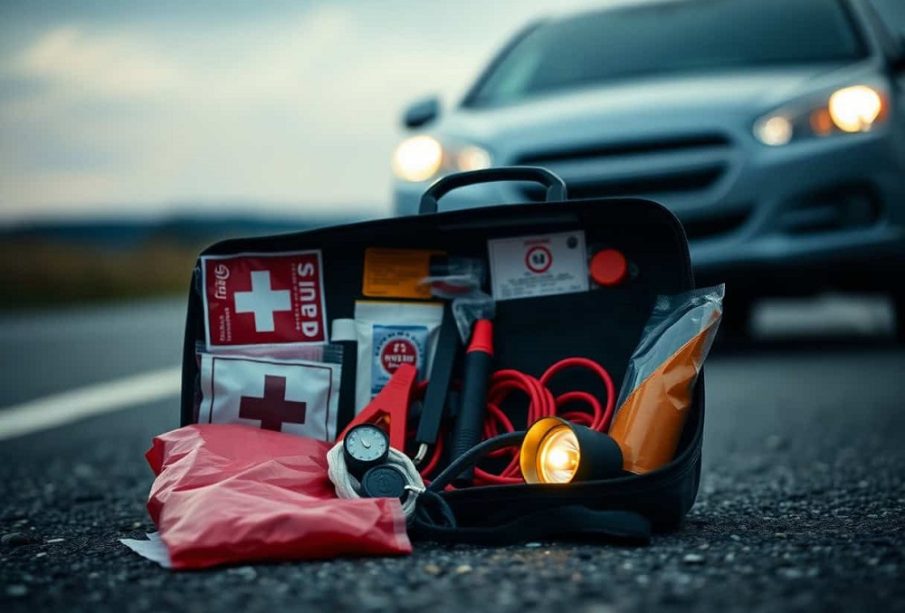
Vehicles represent high engineering, yet unexpected breakdowns remain an unavoidable reality on modern roadways. According to national highway safety studies, millions of motorists face vehicle disables each year, ranging from flat tires and dead batteries to mechanical failures and severe weather strandings. A vehicle malfunction on a remote stretch of highway or in heavy traffic creates immediate safety hazards.
Driver preparedness is the primary factor determining whether a roadside incident remains a minor inconvenience or escalates into a dangerous crisis. At the core of driver readiness is a well-maintained roadside emergency kit. Equipped with the right tools, supplies, and safety gear, a driver transitions from a helpless bystander to an active participant in their own safety.
The Role of Readiness in Roadside Safety
Roadside preparedness involves cognitive awareness, practical skills, and physical resources. When a mechanical breakdown or incident occurs, driver panic often stems from a lack of control. An emergency kit provides an immediate set of action options, mitigating stress and enabling logical decision-making under pressure.
Reducing Exposure Time on Dangerous Roads
The primary danger during a vehicle breakdown is secondary collisions. Vehicles parked on the shoulder of high-speed highways face substantial risk from passing traffic.
-
Rapid Hazard Deployment: Reflector triangles and LED flares allow drivers to signal their presence immediately, alerting approaching motorists from hundreds of feet away.
-
Minimized Exit Frequency: A organized kit ensures tools are accessible without forcing the driver to rummage through a trunk while exposed to traffic.
-
Efficient Tire Changes: Portable air compressors and proper lug wrenches decrease the time spent on the shoulder during tire failures.
Decreasing the duration a vehicle remains stationary on a shoulder reduces the probability of a secondary crash.
Essential Components of a Complete Roadside Emergency Kit
A comprehensive emergency kit balances mechanical repair tools, personal survival gear, and signaling equipment. Relying on basic factory accessories is rarely sufficient for complex emergencies.
Mechanical and Electrical Recovery Tools
Vehicle failures frequently involve electrical drain or tire deflation. Having dedicated tools prevents total loss of mobility.
-
Jumper Cables or Portable Jump Starters: Dead batteries represent one of the most common causes of vehicle disablement. Heavy-gauge jumper cables allow assistance from other vehicles, while lithium-ion jump packs allow self-recovery without a second automobile.
-
Tire Pressure Gauge and Inflator: Maintaining proper tire inflation prevents blowouts. A portable 12-volt air compressor permits drivers to inflate a low tire enough to reach a service station.
-
Tire Sealant and Plug Kits: Minor punctures from nails can be temporarily sealed on-site without removing the wheel.
-
Basic Hand Tools: Adjustable wrenches, screwdrivers, pliers, and duct tape facilitate temporary fixes for loose hoses, shields, or battery terminals.
Visibility and Signaling Devices
Visibility is critical, particularly at night, during fog, or in heavy precipitation. Passing motorists require clear visual warnings to yield space.
-
LED Road Flares and Reflective Triangles: Unlike chemical flares, electronic flares offer reusable, long-lasting illumination without fire hazard risks near leaking fluids.
-
High-Visibility Vest: Wearing reflective clothing ensures the driver remains visible to traffic while working outside the vehicle.
-
High-Lumen Flashlight or Headlamp: Working in darkness requires hands-free illumination. A quality headlamp directs light to the engine bay or wheel well while keeping hands free.
Survival and Personal Comfort Supplies
When breakdowns occur in extreme weather or isolated locations, immediate rescue may take hours. Survival supplies protect occupants from environment-related injury.
-
First Aid Kit: Should include sterile gauze, antiseptic wipes, adhesive bandages, medical tape, shears, and burn cream to treat minor injuries incurred during travel or repair attempts.
-
Mylar Thermal Blankets: Compact thermal blankets reflect up to 90 percent of body heat, offering protection against hypothermia in freezing conditions.
-
Non-Perishable Food and Water: Calorie-dense energy bars and purified water pouches provide nourishment during extended stranding periods.
-
Work Gloves: Heavy-duty leather or nitrile gloves protect hands from sharp metal, hot engine parts, and caustic chemicals.
Psychological Benefits of Driver Preparedness
The presence of a roadside emergency kit influences driver psychology long before an actual emergency occurs. Preparedness instills confidence and reduces driving anxiety, particularly during long-distance trips or unfavorable weather conditions.
Mitigating Panic Through Structured Action
When a vehicle fails, drivers without supplies experience elevated stress, often leading to poor choices like walking along unlit highways or standing dangerously close to active lanes. An emergency kit offers a structured protocol:
-
Position safety markers around the vehicle to establish a defensive zone.
-
Assess the mechanical issue using available diagnostic lighting and tools.
-
Deploy personal protection gear if waiting for professional assistance.
This structured response prevents hasty, unsafe decisions and maintains driver focus.
Customizing Kits for Environmental and Regional Risks
A single kit design does not fit every geography or season. True preparedness requires tailoring contents to environmental conditions.
Winter Climate Preparedness
Vehicles operating in regions subject to ice, snow, and sub-freezing temperatures require specialized winter gear:
-
Folding Shovel and Traction Mats: Essential for digging out tires caught in snowdrifts or ice patches.
-
Ice Scraper and Snow Brush: Ensures clear sightlines before driving.
-
Hand Warmers and Wool Blankets: Provides supplementary heat when running the engine is unsafe due to snow blocking the exhaust pipe.
Desert and High-Heat Adaptations
Extreme heat creates distinct risks, including severe dehydration and engine overheating:
-
Excess Coolant and Water: Crucial for managing cooling system demands or replenishing lost fluids.
-
Sun Protection: Wide-brimmed hats, sunscreen, and UV umbrellas protect stranded occupants from heatstroke while awaiting rescue.
Maintenance and Seasonal Inspections of Emergency Kits
An emergency kit is only effective if its components are fully functional. Regular inspections prevent component failure during a crisis.
-
Battery Maintenance: Flashlights and jump packs discharge over time. Recharging electronic items every three to six months guarantees operational readiness.
-
Expiration Date Audits: First aid supplies, food rations, and chemical sealants carry shelf lives. Expired items must be replaced systematically.
-
Seasonal Adjustments: Swap winter shovels and thermal gear for summer hydration supplies twice a year to match weather risks.
FAQ
What are the most vital items every basic roadside kit must include?
A core emergency kit should always include heavy-gauge jumper cables or a portable battery jump starter, a bright flashlight or headlamp, reflective safety triangles, a high-visibility vest, a first aid kit, and a tire pressure gauge with a portable air inflator.
How often should a driver inspect their roadside emergency kit?
Drivers should conduct a full inspection of their kit at least twice a year. Inspections should verify battery charge levels on electronic devices, check expiration dates on food and medical supplies, and ensure seasonal gear matches upcoming weather patterns.
Is a factory-installed spare tire kit sufficient for roadside emergencies?
Factory kits usually contain only a basic jack and lug wrench meant strictly for tire swaps. They lack essential safety items like reflective markers, personal protective equipment, jump-starting tools, and medical supplies necessary for broader emergency scenarios.
Where is the safest place to store an emergency kit inside a car?
The emergency kit should be stored in an easily accessible area of the trunk or cargo compartment. Ensure it is secured so it does not become a loose projectile during sudden stops, and avoid placing heavy luggage directly on top of it.
Can a portable power bank start a vehicle with a dead battery?
Standard phone charging power banks cannot start a vehicle because they lack sufficient cranking amperage. However, dedicated portable lithium-ion jump-starter packs are designed specifically to provide the high peak amperage required to start an engine independently.
How does having an emergency kit lower the risk of secondary highway accidents?
Emergency kits contain visibility gear such as reflective triangles, LED flares, and bright vests. Deploying these items alerts passing traffic far in advance, giving motorists time to slow down or change lanes, which drastically reduces the chance of a rear-end or side-sweep collision.
What extra items should be added to a roadside kit when traveling with children or pets?
When traveling with dependents or pets, add extra bottled water, specialized non-perishable snacks, necessary prescription medications, infant formula, extra diapers, comfort blankets, and portable water bowls to handle unexpected delays safely.


