
HIIT for Every Age: Adapting High-Intensity Workouts for Different Life Stages
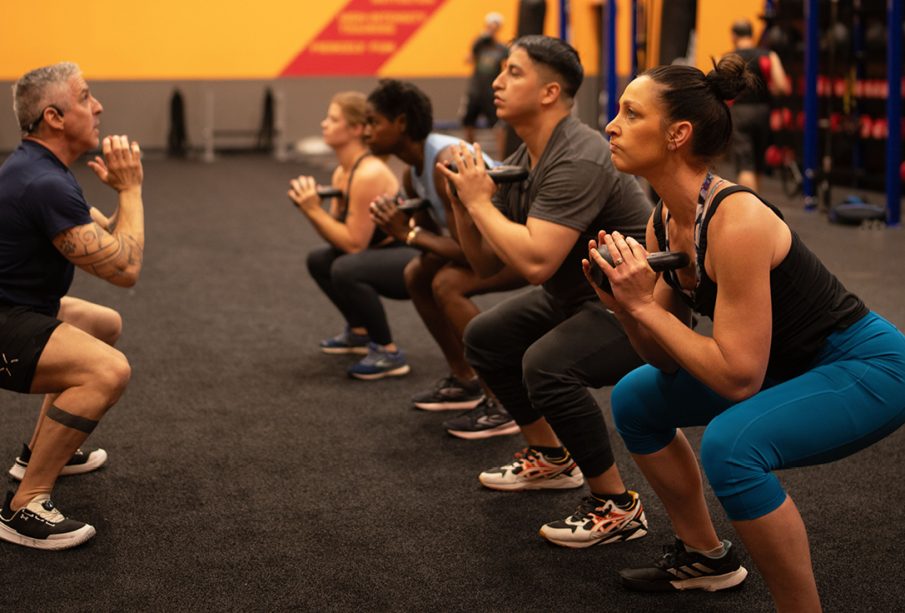
High-Intensity Interval Training, commonly known as HIIT, has become one of the most versatile fitness methods for people of all ages. Whether you are a young adult seeking peak athletic performance or a senior aiming to maintain mobility and strength, a hiit training workout can be tailored to suit every stage of life. The secret lies in adjusting intensity, recovery, and structure to match your body’s needs and capacity.
Why HIIT Works Across Generations
HIIT training is based on the principle of alternating short bursts of intense effort with recovery periods. This structure engages both the aerobic and anaerobic systems, making it adaptable for anyone regardless of age or fitness level.
The appeal of HIIT lies in its flexibility. The workouts can be scaled up or down depending on physical ability, health condition, and goals. With professional guidance, individuals of all ages can enjoy the same benefits—improved heart health, better metabolism, and enhanced endurance—without overstraining their bodies.
HIIT in the 20s: Building Foundation and Strength
Your 20s are often your body’s most energetic years. At this stage, HIIT helps develop cardiovascular endurance, strength, and speed. The focus should be on mastering movement patterns and building consistency.
Recommended Approach
-
Frequency: 3–4 sessions per week
-
Duration: 20–30 minutes per session
-
Focus Areas: Speed, agility, strength building, and fat burning
-
Examples: Sprint intervals, jump squats, kettlebell swings, and push-up circuits
Consistency in your 20s helps establish habits that shape lifelong fitness. It is also the best time to explore advanced HIIT formats like plyometric and resistance-based routines to maximise performance potential.
HIIT in the 30s: Managing Work, Life, and Health
In your 30s, fitness often competes with work commitments and family responsibilities. HIIT becomes an excellent solution for time-efficient workouts that deliver results without long hours in the gym.
At this age, metabolism begins to slow slightly, making high-intensity routines an effective way to maintain lean muscle and manage weight.
Tips for the 30s
-
Focus on compound movements like burpees and lunges that work multiple muscles.
-
Schedule workouts around daily routines to maintain consistency.
-
Include recovery-focused activities like stretching or yoga to prevent burnout.
-
Maintain nutrition rich in protein and whole grains to support energy balance.
HIIT also supports stress relief through the release of endorphins, which help offset the mental fatigue of professional life.
HIIT in the 40s: Prioritising Longevity and Hormonal Balance
In your 40s, hormonal changes and a slower recovery rate make it crucial to train smartly. HIIT can still deliver incredible results when performed with proper structure and sufficient rest.
Focus Areas
-
Intensity: Moderate to high, depending on fitness history
-
Recovery: 48 hours between intense sessions
-
Key Goals: Fat management, heart health, and maintaining muscle tone
At this stage, low-impact variations such as cycling, rowing, or step-based HIIT are ideal for protecting joints while maintaining intensity. Emphasis should also be placed on core stability and posture correction to reduce injury risks.
HIIT in the 50s: Protecting Joints and Enhancing Mobility
The 50s bring natural changes in muscle density and joint flexibility. However, with proper adaptation, HIIT can continue to support cardiovascular and metabolic health. The focus shifts from speed and power to stability, coordination, and joint protection.
Best Practices
-
Use lower-impact exercises like brisk intervals, step-ups, or modified squats.
-
Prioritise form over intensity to prevent injuries.
-
Add mobility drills and flexibility work after every session.
-
Keep sessions shorter (around 20 minutes) but maintain effort levels that challenge the body.
This stage is also ideal for incorporating resistance bands or light weights into routines to preserve bone density and muscle mass.
HIIT Beyond 60: Active Ageing and Functional Strength
Ageing does not mean slowing down completely. HIIT can play a powerful role in maintaining independence, coordination, and heart function for those over 60.
When adapted properly, seniors can perform modified HIIT sessions that focus on controlled movement, balance, and moderate effort levels.
Sample Low-Impact Routine
-
30 seconds of brisk marching
-
20 seconds of bodyweight squats (use support if needed)
-
30 seconds of arm circles or seated punches
-
40 seconds of slow step-ups
-
1-minute rest between rounds
Performing three to four rounds of such sequences offers cardiovascular stimulation without strain. It also improves coordination and mobility, key factors in active ageing.
The Importance of Professional Supervision
Regardless of age, proper technique and supervision make a big difference in safety and results. Trained fitness professionals understand how to modify exercises to suit your goals and abilities.
At True Fitness Singapore, certified trainers guide participants through structured HIIT sessions that consider personal fitness levels, joint health, and mobility. Each class is designed to maximise results while maintaining form and preventing injury. The supportive environment also motivates members to push safely within their limits.
Recovery and Nutrition at Different Life Stages
As you grow older, recovery time naturally increases. Younger adults may recover in 24 hours, while those in their 40s and beyond might need 48–72 hours before repeating intense sessions. Listening to your body is key.
Age-Specific Nutrition Tips
-
20s: Focus on protein intake to build lean mass.
-
30s: Balance macronutrients for energy and stress control.
-
40s: Prioritise omega-3 fats and hydration for hormonal balance.
-
50s and 60s: Increase calcium and vitamin D for bone health.
A nutrient-rich diet complements HIIT perfectly, fuelling workouts and aiding recovery.
Mindset and Motivation Across Ages
The mental aspect of HIIT is as important as the physical one. Younger individuals often thrive on competition and measurable progress, while older adults benefit from motivation rooted in health and vitality.
HIIT’s versatility allows each age group to find their own source of motivation—whether it is achieving personal bests, maintaining mobility, or simply enjoying the rush of endorphins after a good session.
Real-Life Example: Multi-Generational Fitness
It is increasingly common to see families in Singapore training together at gyms or parks. Parents in their 40s working out alongside their adult children or seniors joining modified group classes highlight how HIIT bridges generational fitness. These sessions build both physical health and family connection through shared goals and support.
How to Customise HIIT Intensity by Age
| Age Group | Recommended Focus | Intensity Level | Recovery Time |
|---|---|---|---|
| 20s | Strength and performance | 80–90% effort | 24 hours |
| 30s | Time-efficient training | 75–85% effort | 24–36 hours |
| 40s | Hormonal balance | 70–80% effort | 36–48 hours |
| 50s | Mobility and endurance | 65–75% effort | 48–72 hours |
| 60s+ | Stability and coordination | 60–70% effort | 72 hours |
This structured approach ensures that each generation gains the most from HIIT while avoiding overtraining.
The Long-Term Benefits of Lifelong HIIT
Engaging in HIIT across different life stages supports longevity in multiple ways:
-
Improves cardiovascular efficiency
-
Enhances bone and joint health
-
Regulates hormones and metabolism
-
Boosts mental sharpness and mood
-
Encourages active ageing and independence
HIIT is not a short-term trend but a sustainable approach to lifelong wellness.
Final Thought
A hiit training workout is adaptable, inclusive, and timeless. No matter your age, the benefits of improved metabolism, heart health, and mental clarity remain consistent. The key is to listen to your body, respect recovery, and tailor each session to your stage of life. With proper guidance and mindset, HIIT becomes a lifelong partner in maintaining strength, confidence, and vitality for every generation.
FAQs
Q1. Can seniors safely participate in HIIT?
Yes. With proper modifications and supervision, seniors can benefit greatly from HIIT through improved balance, mobility, and heart function.
Q2. Should teenagers do HIIT workouts?
Teens can try low-impact HIIT focusing on bodyweight exercises, but intensity should be kept moderate to avoid overtraining.
Q3. How does recovery differ between age groups?
Younger people recover faster due to higher muscle elasticity and hormone levels, while older adults require longer rest to rebuild tissue.
Q4. Is HIIT suitable for people with joint problems?
Yes, provided exercises are modified to low-impact versions such as cycling, swimming, or step-based movements.
Q5. Can family members of different ages join the same HIIT class?
Definitely. Many gyms offer scaled classes where each participant adjusts intensity based on their capability, making HIIT enjoyable and inclusive.


