Running Brazil’s Mining Industry: Essential Equipment That Keeps Operations Running
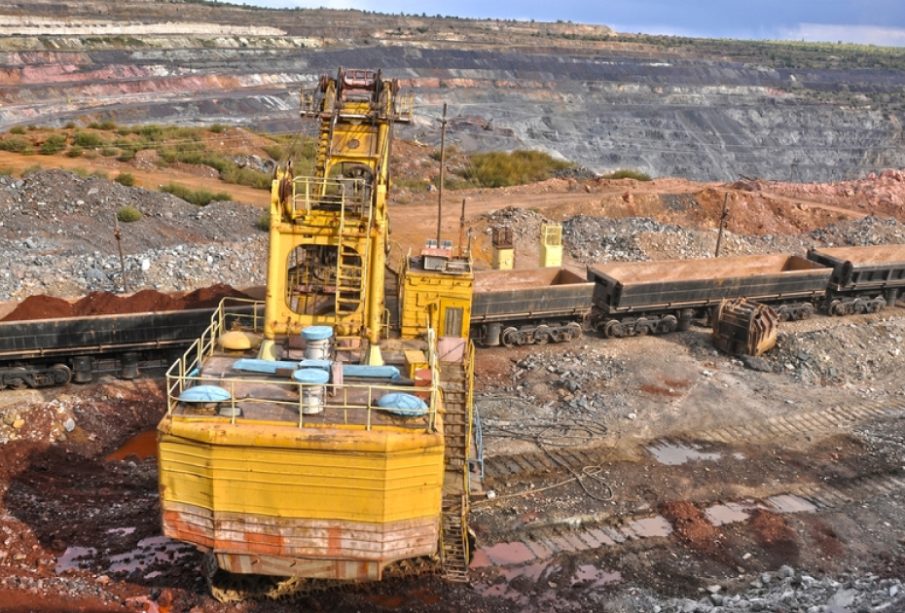
In 2026, the mining industry is becoming more conscious by stripping away the “glamour” of massive yellow machines and prioritizing the overall mechanical reality of the balance sheet and risk mitigation. Stakeholders want machinery that acts as a flexible, long-term asset to help corporations own their destiny, rather than being held hostage by proprietary ecosystems, fragile supply chains, and the “black box” of OEM dependency.
This shift is a move toward Operational Sovereignty. It recognizes that the true cost of a machine isn’t the price on the invoice—it’s the cost of it sitting idle while waiting for a specialized technician or a backordered part that takes forever to hit home.
1. Grinding Mill Braking Systems: Controlling Energy at Its Peak
When you’re running SAG or ball mills, you’re dealing with immense stored energy. The kind that doesn’t forgive hesitation. As such, ensuring you partner with a reliable industrial equipment distributor like Kor-Pak Corporation gives you the power to efficiently run the mill and stop it effectively, and safely. That keeps your machines predictable, sovereign, and highly profitable.
What matters here:
- Braking systems that can respond instantly under extreme load.
- Fail-safe mechanisms—spring-applied, hydraulically or pneumatically released—ensure the mill stops even during power loss.
- Dust-heavy, abrasive conditions demand systems that don’t degrade under constant exposure.
But here’s where strategy separates average from exceptional:
- Can your current setup be upgraded rather than replaced?
- Do you have access to reverse-engineered components when OEM parts are no longer available?
In Brazil’s remote mining zones, waiting isn’t an option. The right engineering support turns potential shutdowns into manageable adjustments.
2. Conveyor Systems: Managing Movement Across Distance and Terrain
Brazil’s geography doesn’t make things easy. Long overland conveyors stretch across uneven, often steep terrain—and that introduces risk. For example, poorly controlled stop can cause more damage than a failure itself.
Core components to focus on:
- Backstops to prevent rollback on inclines
- Couplings that absorb shock without transferring damage
- Braking systems that control—not abruptly stop—motion
- Friction materials must match the environment—abrasion resistance isn’t optional.
From a business standpoint, this becomes a question of foresight:
- Are you investing in materials and systems that reduce wear over time?
- Or are you accepting frequent replacements as “normal”?
The difference shows up in your maintenance schedule—and your margins.
3. Stacker-Reclaimers: Stability in Unpredictable Conditions
If your operations extend to stockyards or port terminals, you already know—weather isn’t just background noise. It’s a direct threat.
- Storm brakes, rail clamps, and wheel grippers act as your last line of defense.
- These systems must deliver high static holding force, often after long idle periods.
- Integration with control systems ensures they activate without human delay.
But equipment alone isn’t enough. Ask yourself:
- Are these systems regularly inspected and calibrated?
- Does your control network “communicate” effectively with your safety hardware?
In high-wind regions, failure isn’t gradual—it’s immediate. And the only way to prepare is through disciplined engineering and proactive system alignment.
4. Power Transmission Systems: Carrying the Load without Compromise
Behind every crusher, every drive system, there’s a network of components absorbing torque, shock, and continuous strain.
Key elements include:
- Gear reducers built for sustained heavy loads
- Couplings that balance flexibility with strength
- Supporting components like springs, bushings, and valves
Here’s the challenge many overlook—logistics. In Brazil, lead times for international parts can stretch longer than your downtime tolerance.
So the smarter approach becomes:
- Stocking critical aftermarket components locally
- Working with partners who can machine or fabricate parts on demand
This isn’t just maintenance—it’s operational independence. You reduce reliance on global supply chains and gain control over your own continuity.
In essence, by viewing your machinery through the lens of a balance sheet rather than a showroom, you move from “buying the best machine” to “building the best system.” The collective leverage of this strategy provides significant uptime dividend, supply chain anti-fragility, and lifecycle capital efficiency. However, the core factor is partnering with a reliable supplier of industrial equipment who can provide the most ideal solution for your industrial performance and resilience against critical exposures.